How to Reduce Wind on a Deck Without Blocking the View
A deck can be perfectly comfortable one day and difficult to use the next. A light breeze may be welcome in warm weather, but stronger wind can make outdoor dining uncomfortable, move cushions and table settings, and send everyone back inside earlier than planned.
The obvious solution is to put something between the deck and the wind. The problem is that a tall solid wall can also block the view, reduce airflow on calmer days and make an open deck feel much more enclosed.
A good wind barrier for a deck does not need to shut out every breeze. In many situations, the better approach is to reduce direct exposure where the wind is most disruptive while keeping the views you actually want to enjoy.
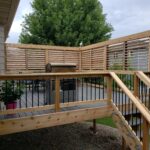
That could mean a strategically positioned screen, a clear panel or an adjustable louvered wall. With our FLEXfence Louver System, you can build a screen with louvers that open and close, giving you more control over how protected or open the deck feels as conditions change.
Key Takeaways
- Identify where the strongest wind hits before adding a barrier.
- Screening one exposed side may be enough.
- Clear panels preserve views, while adjustable louvers offer more control.
- Plan wind protection around both comfort and sightlines.
- Deck screens must be exterior-suitable and properly supported.
- Check local requirements before modifying railings or structural elements.
What Makes a Good Deck Wind Barrier?
A good deck wind barrier should reduce the wind that makes the space uncomfortable without taking away the openness that makes a deck enjoyable in the first place.
That usually means balancing several things at once: wind protection, the view, airflow, privacy and the way you use the deck. A solid wall may provide substantial screening, but it can also make a smaller deck feel closed in. A completely open railing preserves the view, but it may do little for an exposed dining or seating area.
The best solution is often the one that addresses the specific problem rather than treating every side of the deck the same. Once you know where the troublesome wind comes from and which sightlines matter most, it becomes easier to choose a barrier that improves comfort without unnecessarily closing in the space.
How to Block Wind on a Deck Without Blocking the View
If you are trying to work out how to block wind on a deck while keeping it open, there are several ways to approach the problem. The right option depends on the deck layout, the direction of the wind and how important an uninterrupted view is to the space.
1. Screen the Exposed Side, Not Every Side
Before choosing materials, work out where the wind is actually entering the space.
An exposed deck does not automatically need a barrier around every side. If the strongest wind usually comes from one direction, screening that side may be enough to improve comfort while leaving the rest of the deck open.
Think about the areas that matter most. A screen beside an outdoor table, barbecue or hot tub may be more useful than a full perimeter enclosure, especially when the main view is in another direction.
The same approach can help when wind and neighbouring sightlines are both concerns. Well-placed deck privacy screens can add protection where it is needed without automatically closing off the entire outdoor space.
2. Build an Adjustable Louvered Wind Screen
Wind conditions change, which is one reason a fixed barrier is not always the most flexible option.
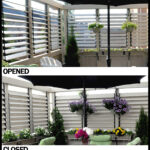
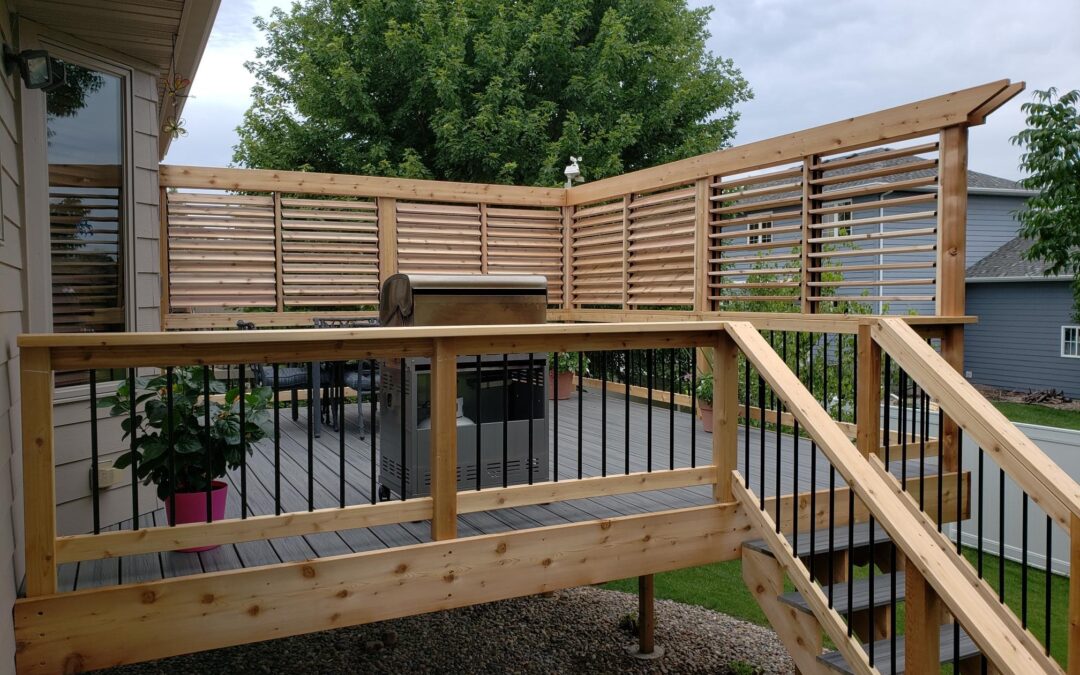
With an adjustable louvered screen, the boards can be repositioned as conditions change. Angle or close the louvers when you want more screening, then open them again when the weather is calmer and you would rather have more airflow and a more open view.
The FLEXfence Louver System is a DIY hardware system that uses 1 x 6 boards to create adjustable louvered sections. The rails can be installed to create horizontal or vertical louver operation, giving you flexibility in both the appearance and function of the finished screen.
This type of control can be especially useful around an outdoor cooking area. One FLEXfence customer used a louvered BBQ enclosure to manage wind and sunlight around a deck barbecue while still being able to open the louvers for more ventilation.
3. Use Clear Panels Where the View Matters Most
If an uninterrupted view is the priority, clear panels designed for exterior use are another option.
A transparent barrier can reduce direct wind exposure while allowing you to see the landscape beyond it. This can work particularly well when the view is one of the main reasons for having the deck.
The trade-off is that the panel remains fixed. You keep the view, but you cannot open the barrier on a calm day in the same way you can with an adjustable screen. Clear surfaces may also need regular cleaning in areas exposed to rain, salt, dust or pollen.
If a clear panel will form part of a deck guard or attach to an existing structure, use materials and installation methods appropriate for that application and check the requirements that apply to your property.
4. Combine a More Enclosed Lower Section with an Open Upper Section
A deck wind barrier does not need to look the same from top to bottom.
Depending on the layout, a more enclosed lower section can provide screening around seated areas while a clear, partially open or adjustable upper section helps preserve light and longer sightlines.
This can also make a taller barrier feel less imposing. Judge the design from the positions where people will actually use the deck. A screen that seems open while you are standing may feel very different once you sit at the dining table.
5. Use the House or Existing Structures to Your Advantage
Your home may already provide part of the wind protection you need.
A deck beside the house, garage, pergola or another outdoor structure can have naturally sheltered areas. Before adding a new screen, pay attention to how the wind behaves around those features and whether only one exposed end needs additional protection.
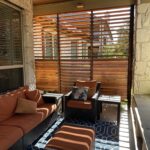
If a louvered pergola is already part of the deck, adjustable louvered walls can provide another layer of control over wind, sunlight and ventilation.
Using the existing layout can also help the new barrier look intentional. Wood, stain or paint colours can be coordinated with the deck, fence, pergola or exterior finish rather than introducing an unrelated feature.
6. Layer in Landscaping Beyond the Deck
Not every wind-control feature has to sit directly on the deck.
Trees, hedges and shrubs can make an exposed yard feel more sheltered while maintaining a softer connection to the landscape. They are not an instant solution, however, and mature planting can eventually affect views as well.
Landscaping can work well as one part of a broader plan, particularly when backyard privacy is another consideration. The aim is to add useful screening without surrounding the entire outdoor area with solid walls.
Where Should a Wind Barrier for a Deck Be Placed?
Place the barrier where it protects the part of the deck that is actually uncomfortable, not simply along the most obvious edge.
If possible, observe the deck in different conditions before deciding on a permanent location. Buildings, corners and surrounding structures can affect how wind moves through an outdoor space, so the most exposed side may not always be the one you expect.
Check the view from indoors as well. A screen that works well from the deck could sit directly in front of an important living room or kitchen window. On the deck itself, look at the barrier from both standing and seated positions so you understand which sightlines it will affect.
If the troublesome wind arrives from more than one direction, two shorter screens or adjustable sections may give you more flexibility than one continuous wall.
How High Should a Deck Wind Barrier Be?
There is no single height that is right for every deck wind barrier.
The useful height depends on where people sit, where the wind hits the space, which views you want to preserve and whether the barrier is being added near or as part of an existing deck guard.
Test the sightlines before deciding. Sit at the dining table or lounge chair and look toward the view you want to keep. A barrier only needs to be as high as necessary for the job it is doing, subject to the structural and safety requirements that apply to the project.
A larger screen also creates more surface area for the wind to act on. Do not assume an existing railing or deck frame can support an added barrier. Check applicable local requirements and obtain appropriate professional advice where necessary before altering a guard, railing or structural component.
What’s the Best Material for a Deck Wind Barrier?
The best material depends on whether your priority is visibility, adjustability, privacy, appearance or a combination of several things.
Clear exterior panels are useful when preserving the view is the main concern. Wood can coordinate naturally with decking, pergolas and louvered fencing, but a solid wood wall will generally block more light and visibility.
A louvered wood screen offers a different balance because the boards do not have to remain permanently in one position. Whatever material you choose, make sure it is appropriate for exterior exposure and follow the manufacturer’s or supplier’s recommendations for installation, finishing and maintenance.
What About Patio Wind Screens?
Patio wind screens solve a similar problem, but patios and decks do not always need the same type of installation.
A ground-level patio may have more options for freestanding screens, planters or landscaping because the barrier does not necessarily need to attach to an elevated railing. A deck screen, particularly one added to an existing guard, requires more attention to how the barrier will be supported.
For either space, start with the area that needs protection. Outdoor wind screens for patios can be positioned around a dining or lounge area rather than around the entire perimeter. Clear panels work when visibility is the priority, while fixed or adjustable wood screens can provide more privacy and visual separation.
Think about what you want the space to feel like when the wind calms down. If you still want the barrier in exactly the same position, a fixed screen may be suitable. If you would rather open the space to more air and light, adjustability becomes more useful.
When Adjustable Louvers Make More Sense Than a Fixed Screen
Adjustable louvers are most useful when your outdoor conditions or priorities change throughout the day.
You may want more screening during a windy afternoon, more privacy when neighbours are outside, or more shade when the sun reaches the deck. Later, you may want the same area to feel open again.
A fixed clear panel is often a strong option when preserving an uninterrupted view is the main priority and you are comfortable with the barrier remaining in place. A solid wall may make sense when consistent screening and privacy matter more than openness. Adjustable louvers sit between those options by allowing you to change the position of the boards rather than committing to one level of screening.
Planning Your Deck Wind Barrier
Start with the problem you are trying to solve. Identify the exposed area, decide which views matter most and consider whether you also need privacy or shade.
From there, compare the options that fit the space. One strategically placed screen may be enough. A clear panel may suit an important view. Or adjustable louvers may make more sense if you want to change the balance between screening and openness as conditions change.
If you are considering a louvered project, the DIY louver project plans include materials lists, dimensions and examples for screens, deck railings, fences, pergolas and other outdoor structures.
Frequently Asked Questions
How do I block wind on a deck without blocking the view?
Start by identifying where the strongest wind enters the deck and screen only the areas that need protection. Clear panels can preserve an uninterrupted view, while adjustable louvered screens let you change the amount of screening as conditions change.
What can I use as a wind barrier for a deck?
Options include clear exterior panels, solid or partially open wood screens, adjustable louvered panels and strategically positioned landscaping. The right choice depends on the deck layout, wind direction, desired view, privacy needs and applicable local requirements.
Are louvers good for blocking wind on a deck?
Adjustable louvers can help reduce direct wind exposure while allowing you to reopen the space when conditions are calmer. They can be useful when you want to balance wind screening with airflow, light, privacy and visibility.
Where should I put a deck wind barrier?
Place the barrier where it protects the part of the deck most affected by wind. Observe the space in different conditions and consider seating areas, surrounding structures and important indoor and outdoor sightlines before choosing a permanent location.
Do patio wind screens have to be solid?
No. Patio wind screens can include clear panels, partially open screens or adjustable louvers. A solid wall provides more consistent screening but can also restrict views and airflow, so the best design depends on how you want the patio to function in both windy and calm conditions.
Can I attach a wind screen to an existing deck railing?
That depends on the railing, deck structure, screen and local requirements. A wind screen adds surface area that will be exposed to wind, so do not assume an existing railing can support the additional load. Check applicable requirements and obtain appropriate professional advice where necessary before modifying a deck guard or structural component.
Create a More Private and Comfortable Outdoor Space
Adding privacy to your deck doesn’t have to mean sacrificing airflow, sunlight, or style. The best privacy screen solutions help you create an outdoor space that feels comfortable, functional, and welcoming throughout the season.
From deck privacy panels and privacy dividers for decks to fully adjustable louver systems, today’s homeowners have more options than ever. By choosing a solution that balances privacy with flexibility, you can create a deck that works for the way you actually live and entertain outdoors.
Enjoy all the benefits of FLEXfence by adding it to your DIY project list today!
With the FLEXfence louver system, the design possibilities are endless. Transform your space with minimal effort at an affordable price and experience all the benefits FLEXfence Louver Kit has to offer!
Check out the stores where you can buy this marvellous hardware kit!